
Chazie Baniquid
Technical Content Marketer
12 minutes to read
5 Ways to Stop Spam on WPDiscuz Comments
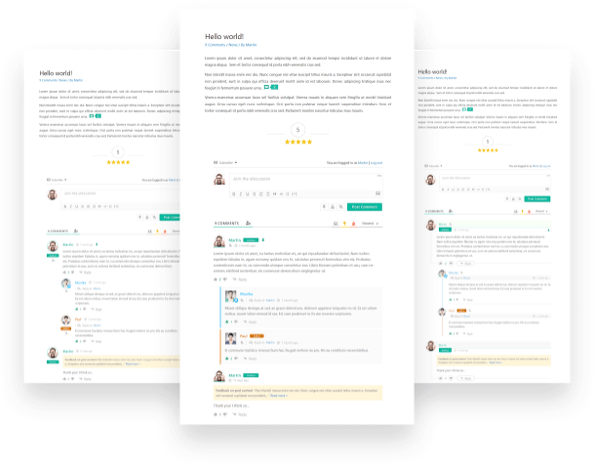
Spam is part of running any website with comments. If WPDiscuz is enabled, spam will show up. The goal is not to eliminate it completely, but to control it before it becomes a problem.
The most effective approach is simple: use WPDiscuz’s built-in protection, tighten WordPress moderation, and add one strong filtering layer like OOPSpam.
This guide walks you through the exact setup.
- Why WPDiscuz Comment Spam Happens
- 1. Use WPDiscuz Built-In Invisible Spam Protection
- 2. Enable CAPTCHA
- 3. Control Guest Commenting
- 4. Tighten Comment Moderation and Filtering Rules
- 5. Add OOPSpam for Advanced Filtering
- Final thoughts
Why WPDiscuz Comment Spam Happens
Spam is no longer just bots posting dozens of links. It has evolved. Today, spam often looks like:
- Short, human-like comments
- One or two links instead of many
- Fake names and disposable emails
- Repeated submissions from the same IP or region
That means basic filters alone are not enough. You need layered protection.
1. Use WPDiscuz Built-In Invisible Spam Protection
WPDiscuz already includes invisible antispam protection, and this should always stay enabled.
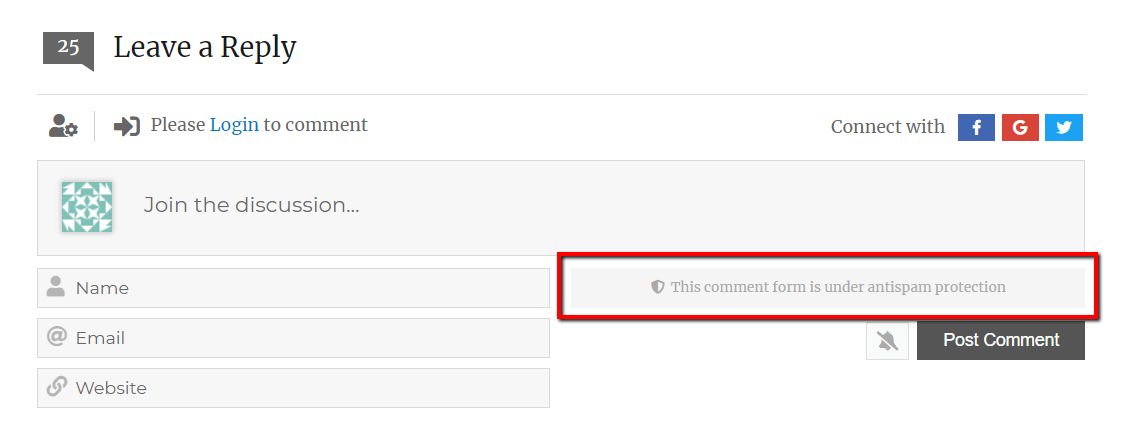
You’ve likely seen this message on your form: “This comment form is under antispam protection.”
This system works by comparing a unique key between the frontend and server, which helps block automated spam submissions without showing users a challenge.
Note: This message is displayed by default in the comment form. You can hide or customize it in: Dashboard → Comments → Phrases → Form tab.
Important setup note
If you regenerate the antispam key:
- Clear your website cache
- Purge your CDN
If you skip this step, legitimate comments may fail. This is your first layer, not your only layer.
2. Enable CAPTCHA
WPDiscuz includes CAPTCHA options, but they work best when used alongside its built-in invisible antispam system, not as a replacement.
Google reCAPTCHA
WPDiscuz 7 comes with built-in support for Google reCAPTCHA v2, which you can enable in: Dashboard → wpDiscuz → Settings → reCAPTCHA
Once enabled, it adds the familiar “I’m not a robot” checkbox to your comment form. This creates a visible verification step that helps block automated submissions.
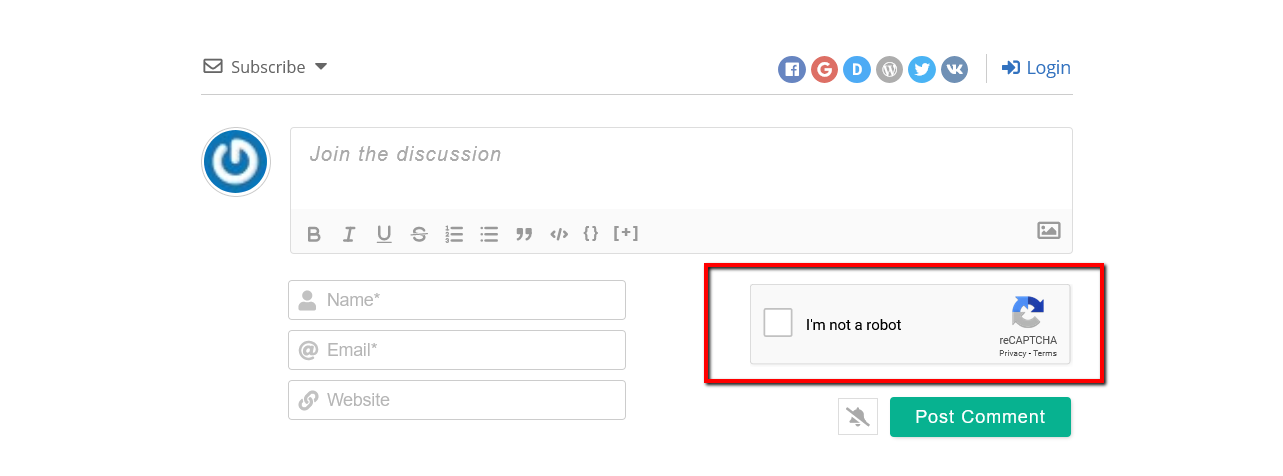
Invisible reCAPTCHA (v3)
WPDiscuz also supports reCAPTCHA v3 via an addon. This version runs in the background and does not require users to interact with a checkbox.
This is a better option if your goal is to reduce friction while still filtering spam effectively.
Should I set up reCAPTCHA v2 or v3?
reCAPTCHA v2 requires users to solve a challenge, while v3 runs in the background and scores visitors based on behavior (0 = bot, 1 = human).
v3 offers a smoother user experience, but both versions can be bypassed by advanced bots or captcha farms. They may also add extra scripts that can slow your site slightly.
If you need a free option, reCAPTCHA is still a solid choice. For better usability, go with the invisible version.
hCAPTCHA
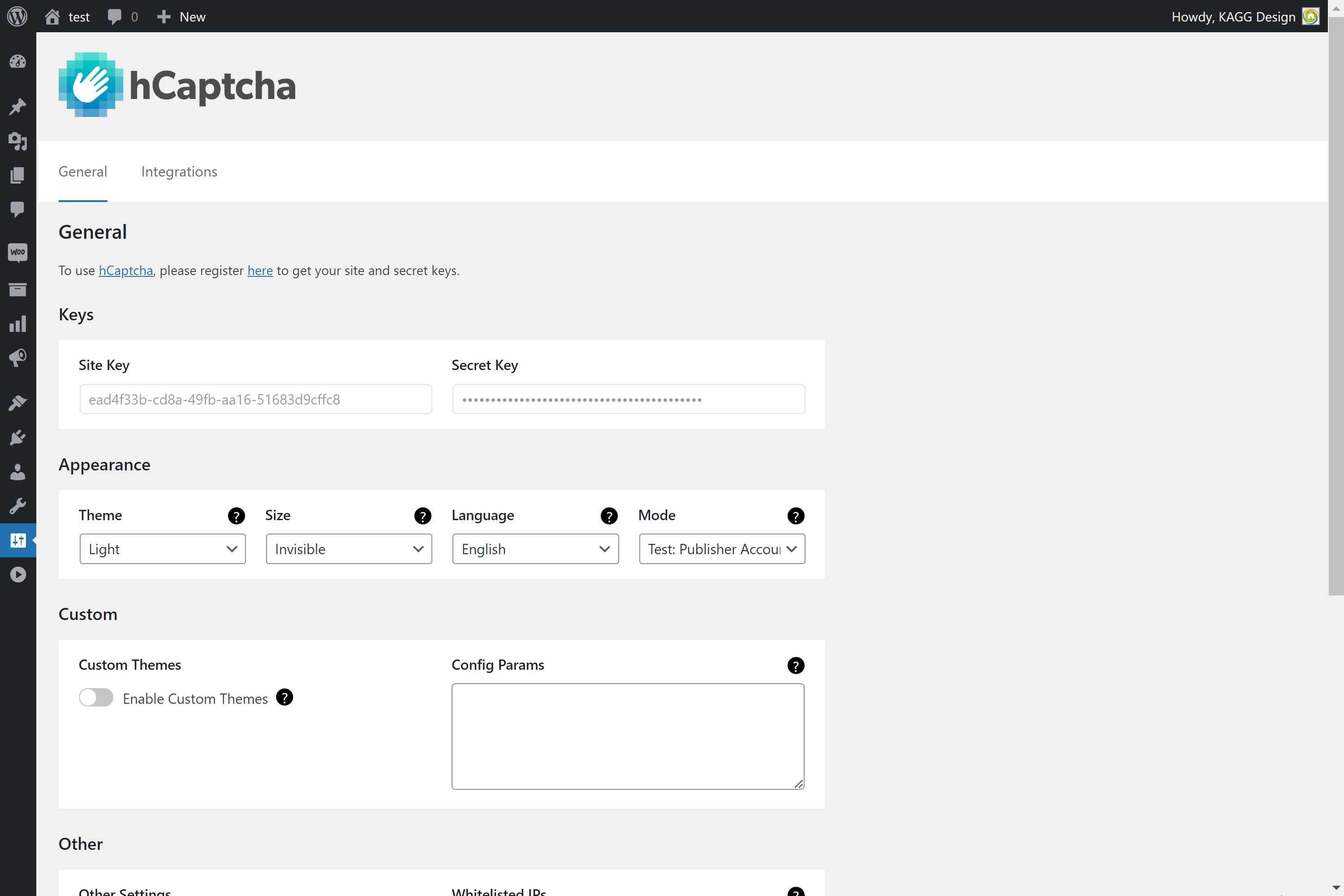
hCAPTCHA is not built into WPDiscuz, but you can use the official WordPress plugin, which supports it. It works similarly to reCAPTCHA but is more privacy-friendly and offers visible or invisible options.
After installing, go to hCaptcha → Integration and add your Site Key and Secret Key from hcaptcha.com (create an account, register your site, and generate the keys).
If reCAPTCHA is not stopping spam, hCAPTCHA is a good free alternative. However, like reCAPTCHA, advanced bots can still bypass it.
Simple CAPTCHA
WPDiscuz previously included a Simple CAPTCHA field by default, but starting from version 5.1.0, it has been disabled in favor of invisible antispam protection.
You can still enable it manually in the Comment Form Builder if needed. However, most websites will not need it when invisible antispam and reCAPTCHA are already in place.
CAPTCHA Generation Type
If you enable Simple CAPTCHA and the image does not display, the issue is usually related to how it is generated.
- Default: Session (works for most servers)
- Alternative: File System (use if the default does not work)
Switching this setting typically resolves compatibility issues on certain hosting environments.
WPDiscuz already includes invisible antispam by default, so CAPTCHA should be treated as an additional layer, not your only defense.
Adding too many verification steps can reduce real user engagement. The best setup combines CAPTCHA with moderation rules or an advanced filtering tool like OOPSpam for stronger, more balanced protection.
3. Control Guest Commenting
This is one of the most important settings in WPDiscuz, and it is often misunderstood.
WPDiscuz does not follow the default WordPress setting that requires users to be registered and logged in to comment. Instead, it uses its own control:
“Allow guests to comment”
You can find this in: Dashboard → wpDiscuz → Forms → Edit Form
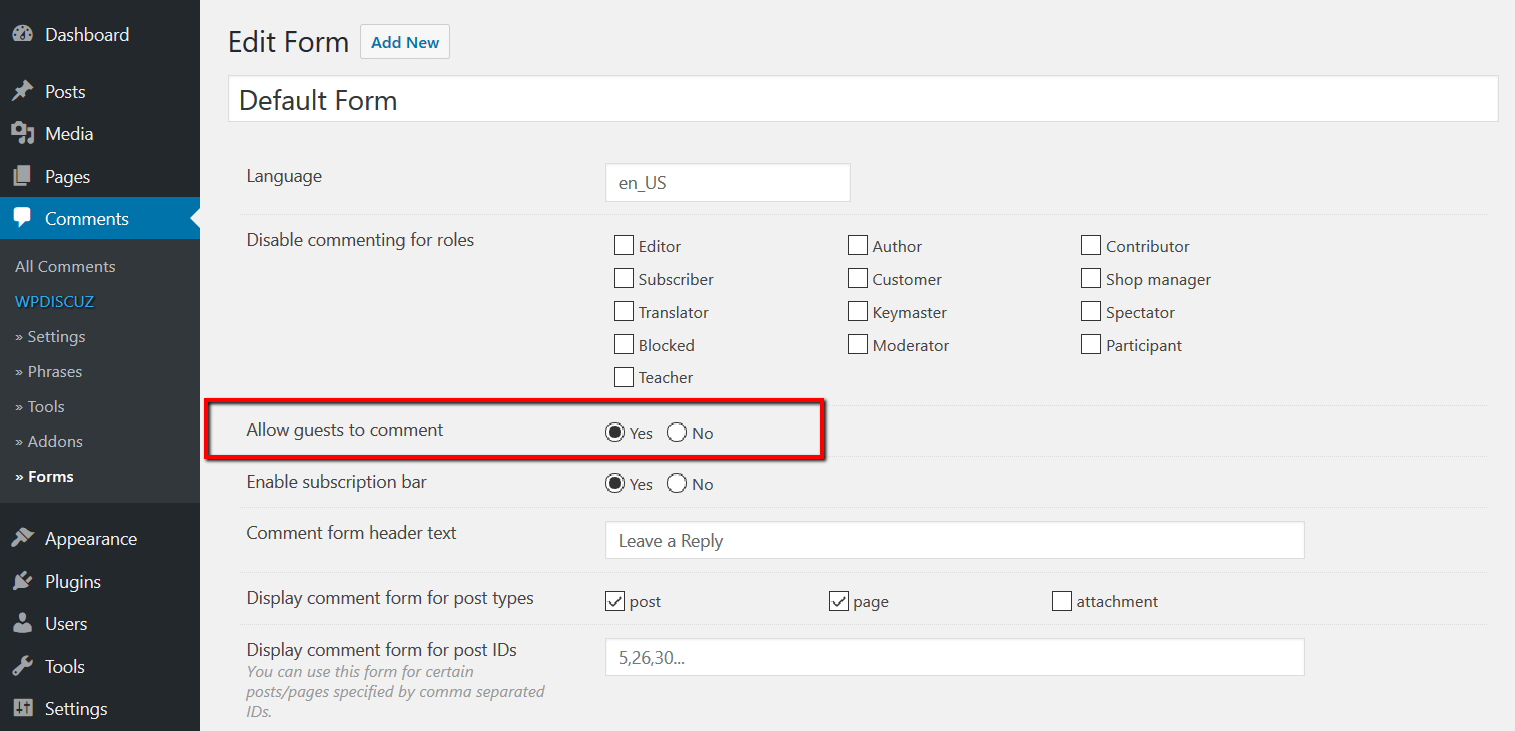
As shown in your settings, this option directly controls whether non-logged-in visitors can post comments.
How this setting works
Guests are visitors who are not logged in. When this option is turned off, the comment form will display a message like: “Please login to comment”
At this point, users must register or log in before they can submit anything. This immediately reduces spam but also limits participation.
Your options
Disable guest commenting
Only registered users can comment. This provides strong spam reduction but can reduce engagement, especially for blogs or public-facing content.
Allow guest commenting
This keeps your comment section open and accessible. However, it also increases exposure to spam, so it must be combined with other protections.
Important WPDiscuz nuance
WPDiscuz allows you to create multiple comment forms, each with its own guest commenting setting.
This means you can:
- allow guest comments on blog posts
- restrict comments on sensitive pages
This flexibility is useful for balancing engagement and control across your site.
4. Tighten Comment Moderation and Filtering Rules
WordPress and WPDiscuz provide moderation tools, but most sites do not use them to their full potential. When configured properly, these settings can significantly reduce spam before it ever appears on your site.
You can access these options here: Dashboard → Settings → Discussion
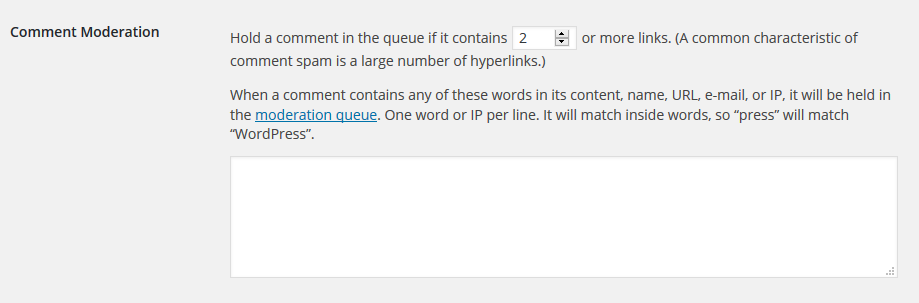
Limit the number of links in a comment
WordPress allows you to hold a comment for moderation if it contains a certain number of links. This is based on the long-standing pattern that spam often includes hyperlinks.
You can set a threshold, such as 1 or 2 links, to automatically flag comments for review.
However, there is an important shift to understand. Spammers used to include many links, but today they often use only one or two to avoid detection. This means link limits are still useful, but they should not be your only filter.
Create a keyword and data-based blacklist
You can also filter comments based on specific entries found in:
- comment content
- name or username
- URL
- email address
- IP address
Each word or value should be added on its own line. WordPress will check for matches even within words, so partial matches will still trigger moderation.
Enable moderation before comments appear

Under the “Before a comment appears” section, you can control how comments are approved.
A practical setup is:
- first-time commenters are held for moderation
- previously approved commenters can post without delay
This approach keeps your comment section safe while maintaining a smooth experience for legitimate users.
Use frontend moderation for better workflow
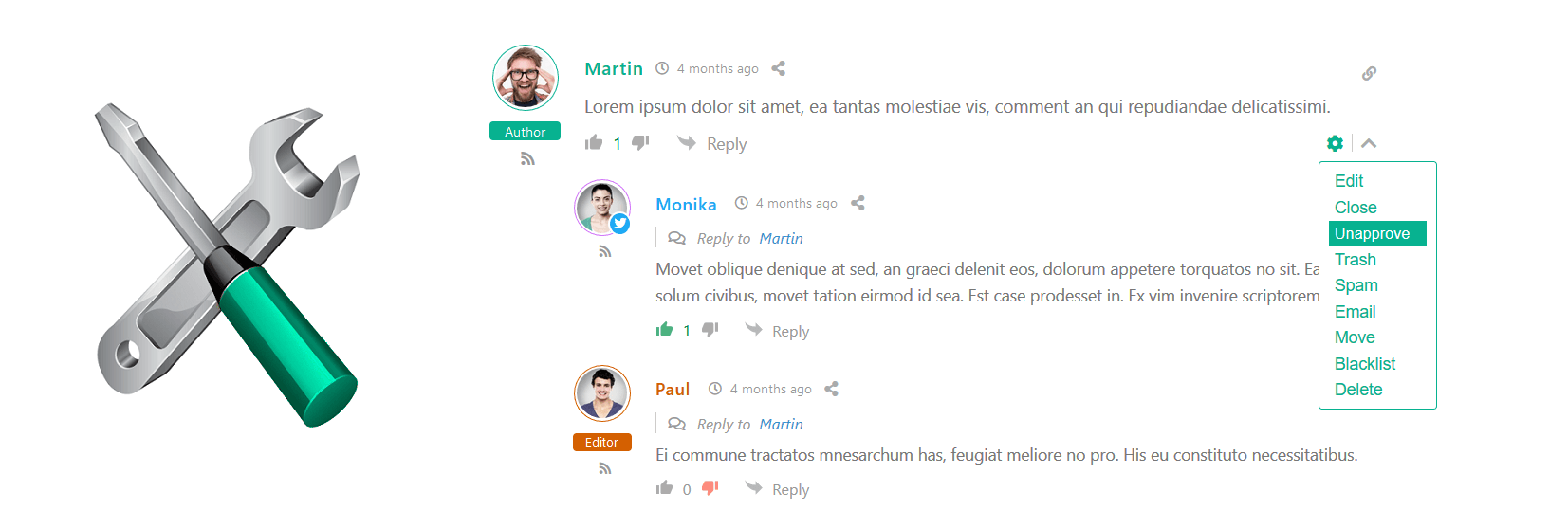
For sites with higher comment volume, WPDiscuz offers a frontend moderation addon that makes managing comments faster and more efficient.
It allows you to:
- approve or unapprove comments instantly
- mark comments as spam or move them to trash
- send messages to comment authors
- move comments between posts
- add users directly to the blacklist
It also gives registered users limited control, such as deleting their own comments within a set time.
This is especially useful if you want to manage discussions without constantly navigating the WordPress admin dashboard.
5. Add OOPSpam for Advanced Filtering
WPDiscuz’s built-in tools are a strong start, but modern spam requires smarter detection. This is where OOPSpam comes in. OOPSpam (that’s us 👋) integrates directly with WPDiscuz and filters comments automatically.
How to set it up
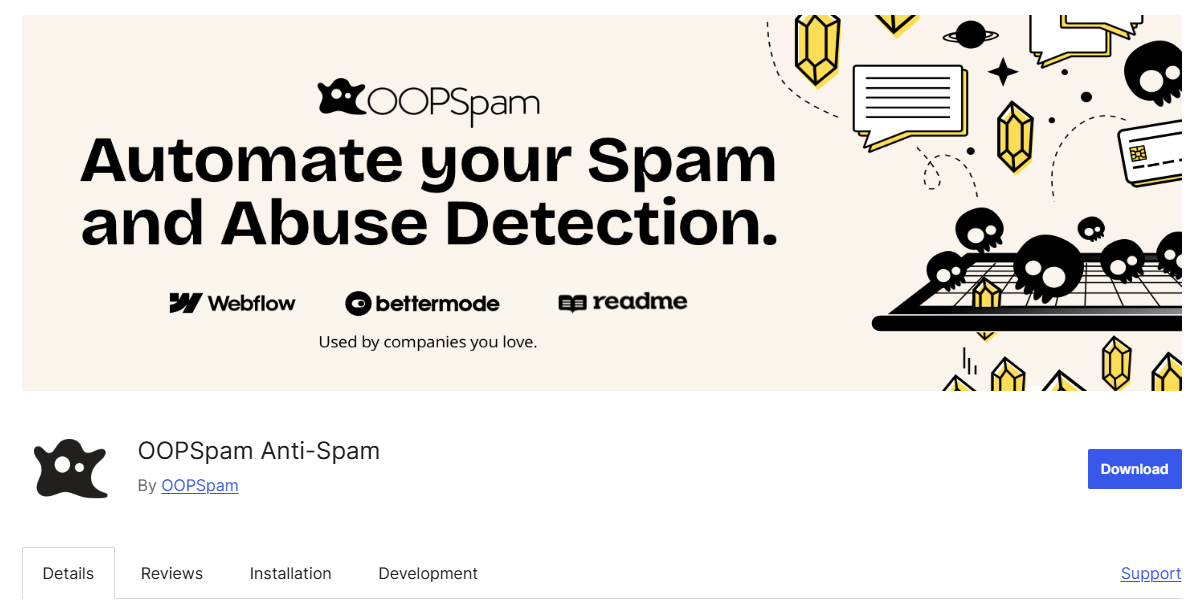
Install “OOPSpam Anti-Spam” from WordPress plugins and activate the plugin.
Create an account on OOPSpam and copy your API key.
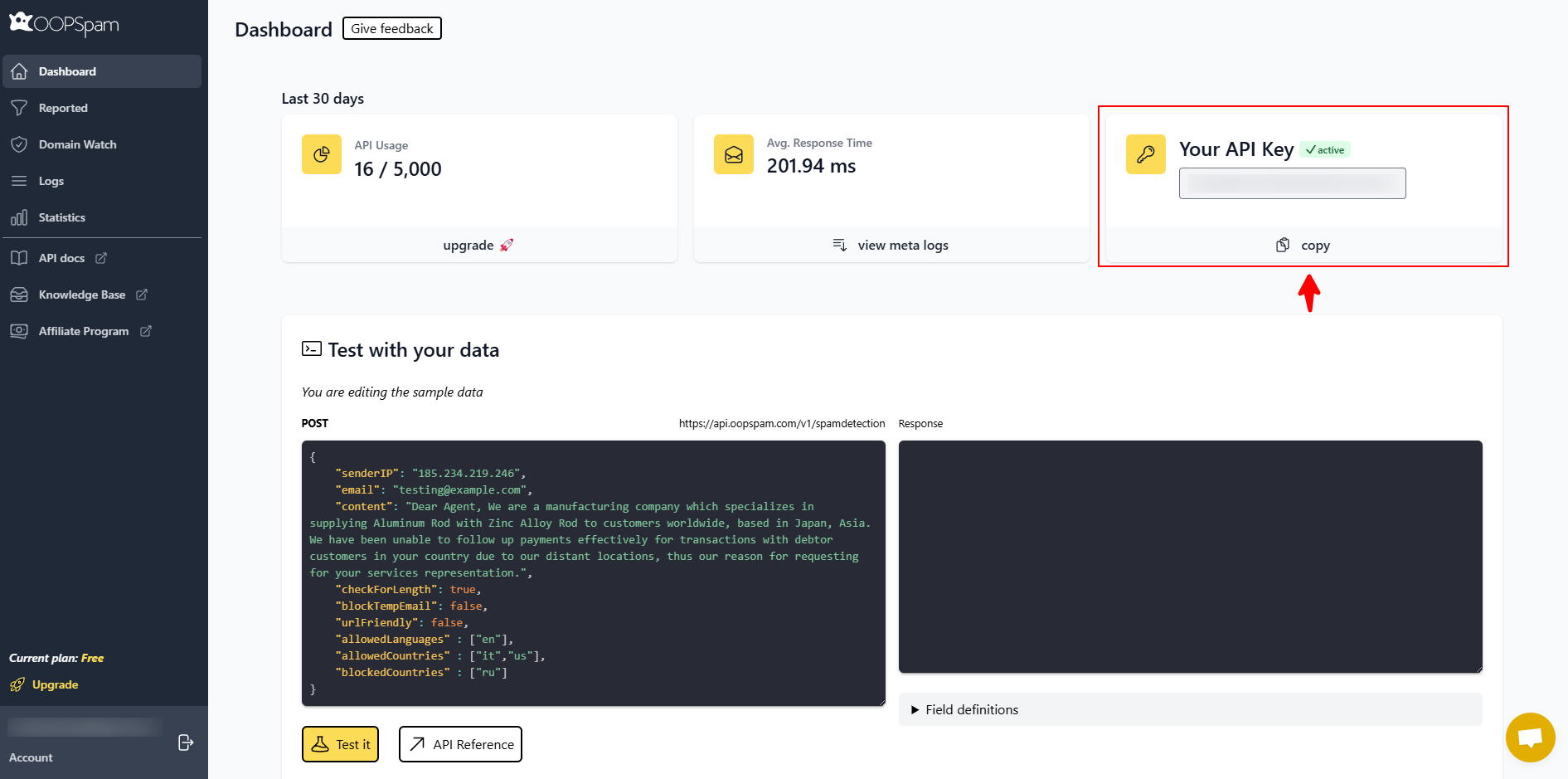
Go to Settings → OOPSpam and paste the key.
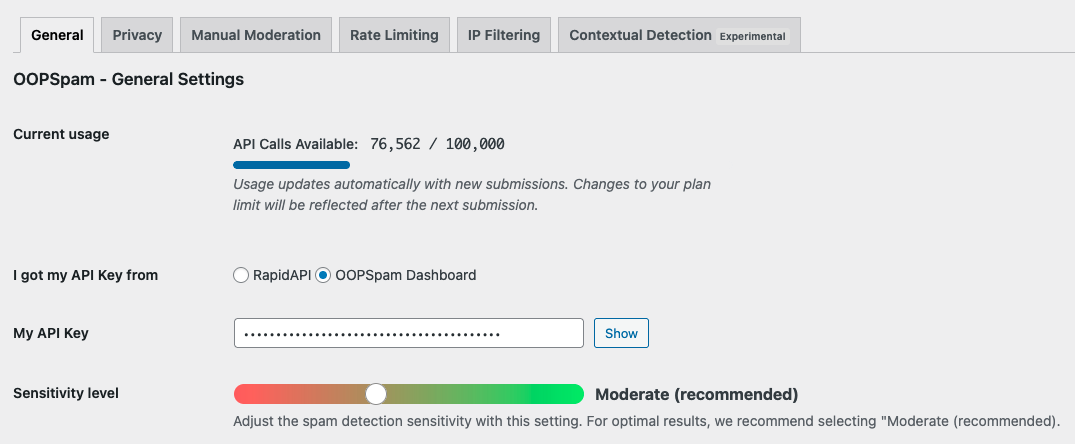
On the plugin’s settings page, you can also adjust how sensitive you want the spam filter to be. Even keeping the default Sensitivity level setting will help you cut spam down to zero. The plugin also allows you to accept submissions only from certain countries and languages — or to block submissions from specific countries entirely.
Enable WPDiscuz protection inside OOPSpam settings. Once enabled, it works immediately.

What makes OOPSpam different
Unlike CAPTCHA, it doesn’t rely on user interaction. It analyzes submissions using multiple signals:
- Rate limiting (blocks repeated spam attempts)
- Country filtering (allow or deny regions)
- VPN / proxy / TOR detection
- Disposable email blocking
- Language filtering
- Contextual spam detection
- Spam logs for monitoring
For most sites, this becomes your main spam filter, while CAPTCHA and moderation act as support layers.
Final thoughts
Spam is not going away. But it can be controlled.
WPDiscuz already gives you a solid foundation. When you combine it with moderation rules and OOPSpam, you create a system that filters spam before it becomes a problem.
Start with these five steps, then adjust based on how your site grows. That is all!
Happy spam-free day!